Western Serviceberry
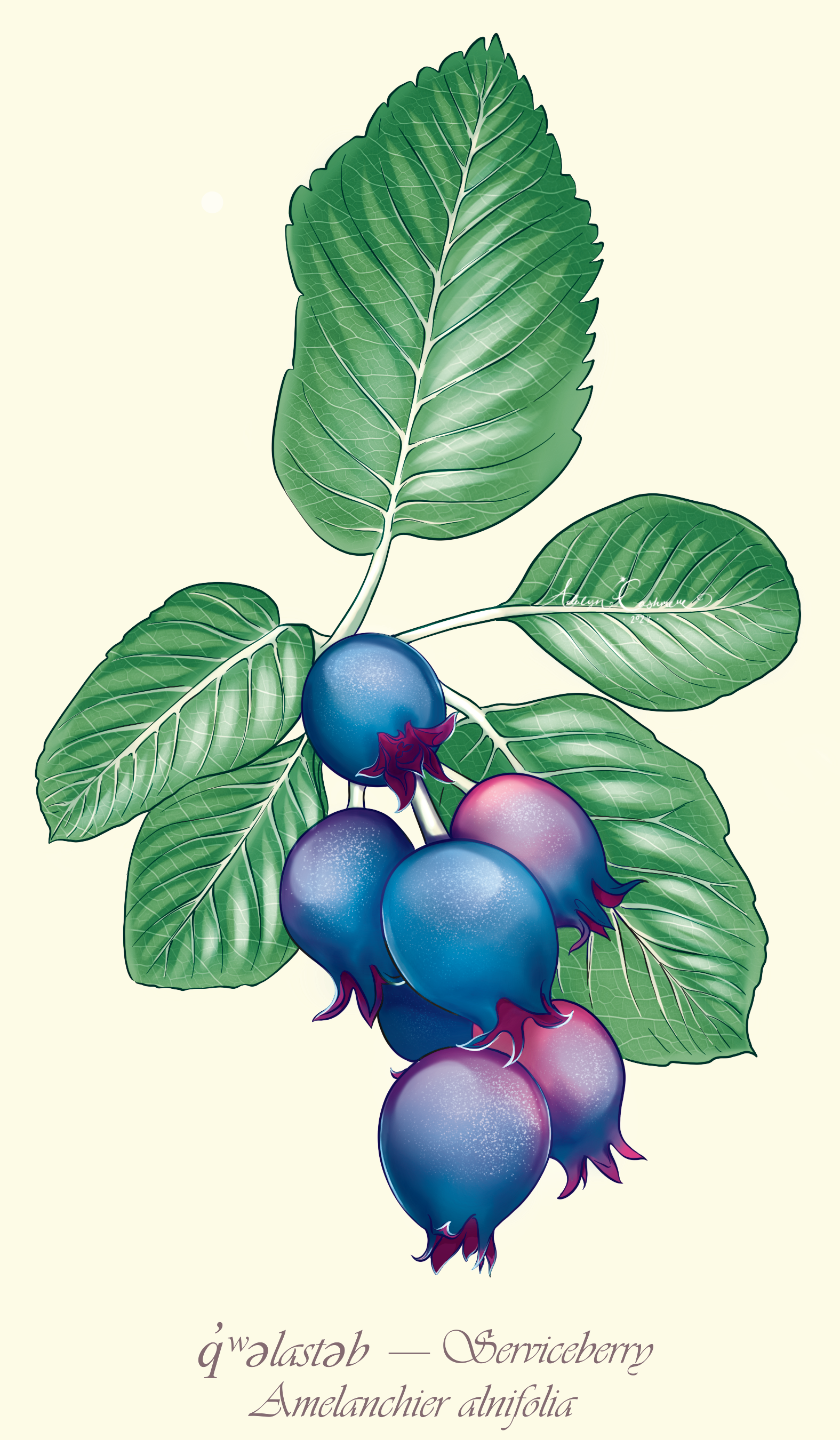
q̓ʷəlastəb • serviceberry • Amelanchier alnifolia
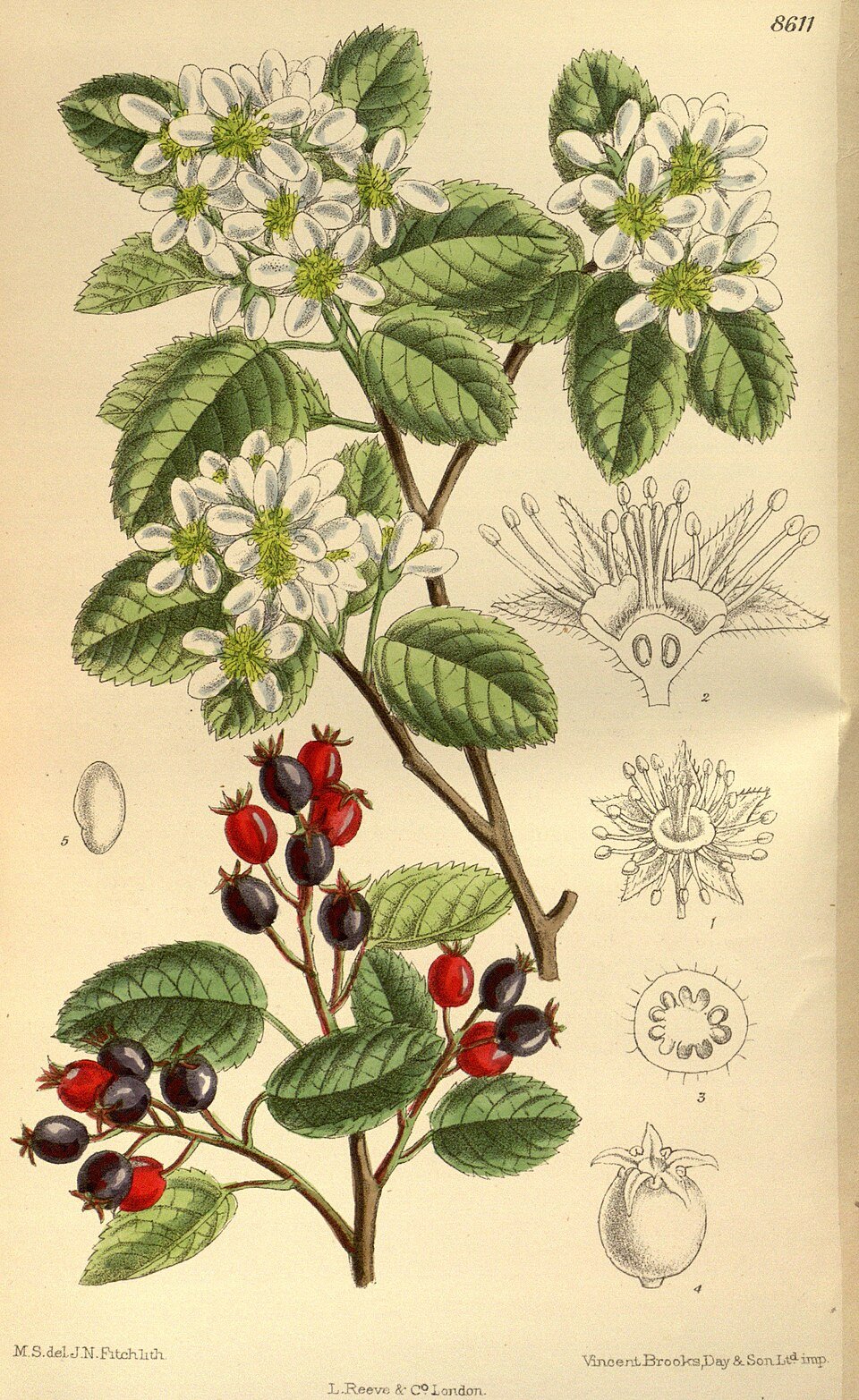
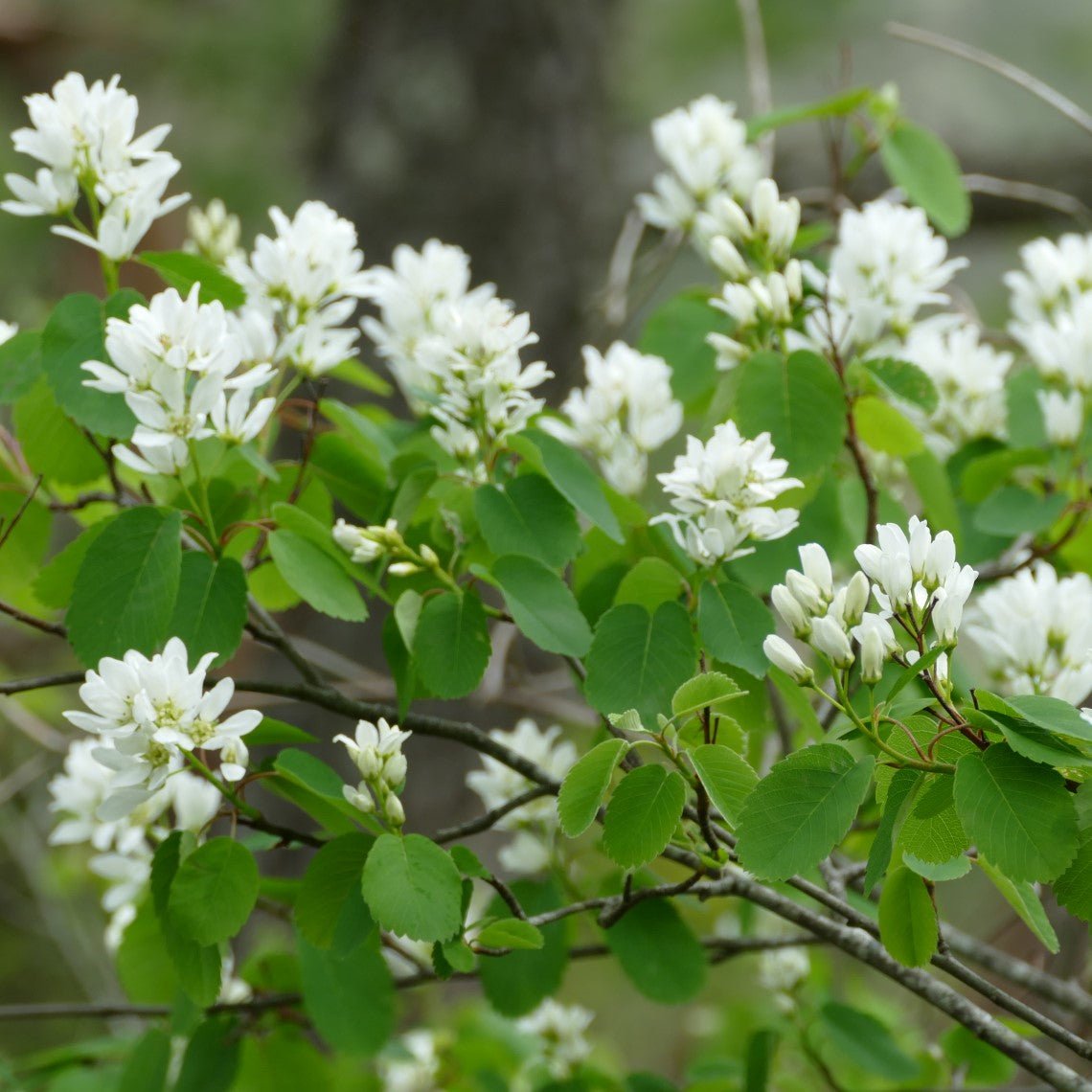
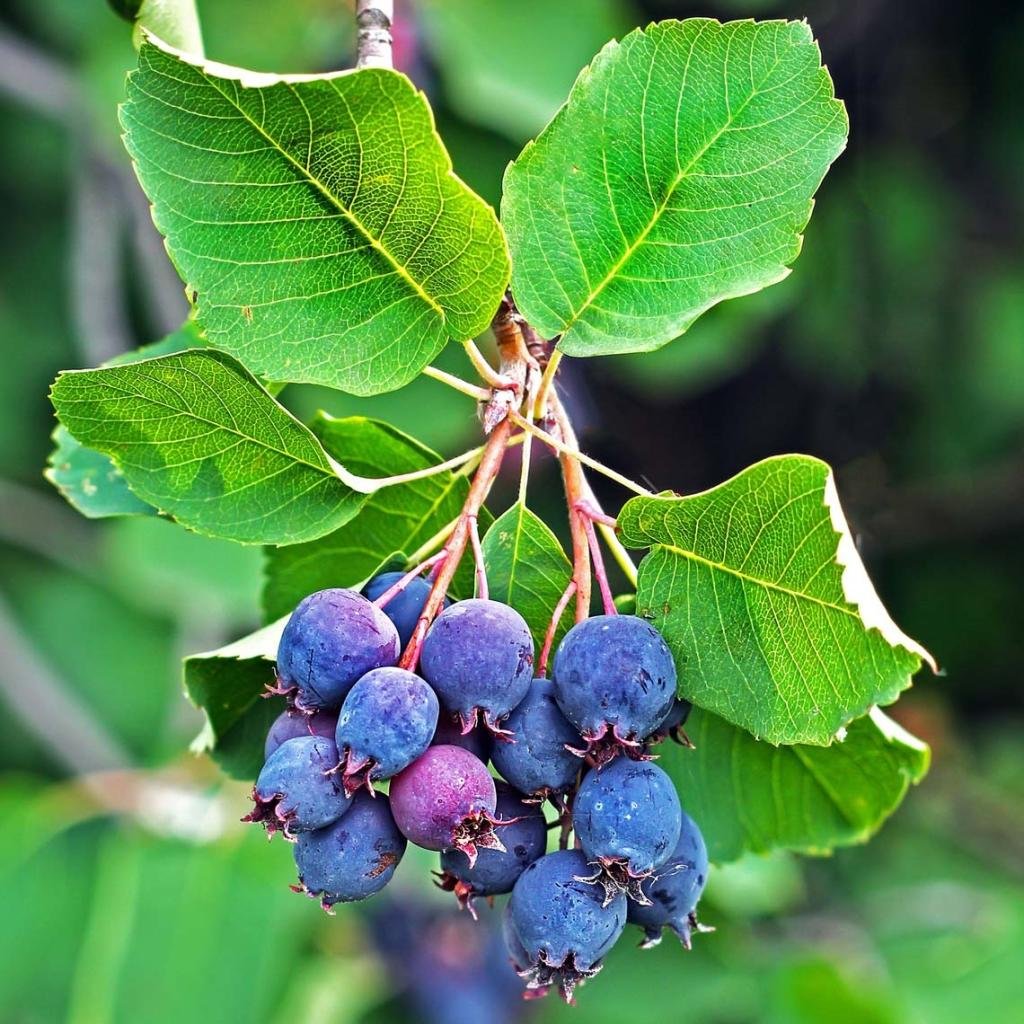
q̓ʷəlastəb, western serviceberry , or Amelanchier alnifolia, is a deciduous native shrub or small tree found in open forests, woodland edges, streambanks, prairies, and dry slopes throughout much of western North America. It commonly develops several stems and may grow between 6 and 20 feet tall, although some plants become larger under favorable conditions. In spring, clusters of fragrant white flowers appear before giving way to sweet, purple-black berries in early summer. Its leaves often turn shades of yellow, orange, or red in autumn.
Click to hear the pronunciation name for serviceberry in Lushootseed, one of many coast salish languages.
q̓ʷəlastəb
Serviceberry fills several important roles in the ecosystem. Its early flowers provide nectar and pollen for native bees and other pollinators, while its berries feed songbirds, mammals, and people. Its branches also provide shelter and nesting cover. Because it can tolerate a range of conditions, including dry soils and disturbed sites, western serviceberry can be useful in habitat restoration projects, native hedgerows, wildlife plantings, riparian buffers, and erosion-control areas.
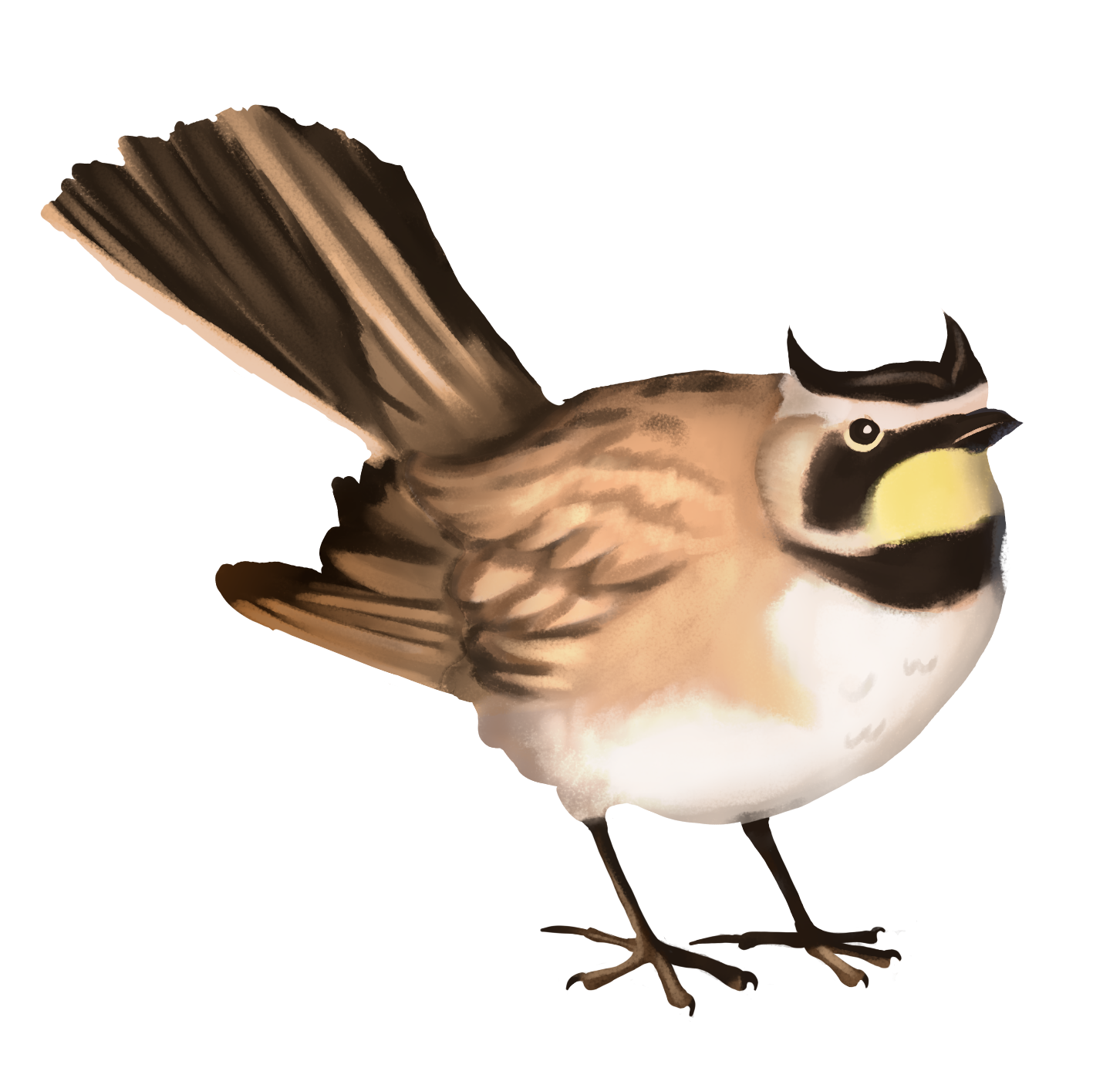
Horned Lark
The horned lark is a migratory song bird that can be seen in Washington state in our rare prairie habitat living alongside serviceberry and living off of the berries every year.
In the home garden, serviceberry offers beauty, food, and habitat. It can be grown as a multi-stemmed shrub, privacy screen, or small ornamental tree. It grows in sun or partial shade and adapts to soils ranging from dry to moist, provided drainage is adequate. The berries can be eaten fresh or prepared in jams, pies, syrups, and other foods—although gardeners may need to share the harvest with birds.
Western serviceberry also carries deep cultural significance. Indigenous peoples throughout the plant’s range have long maintained knowledge of when and where to gather the berries and how to dry, cook, store, and combine them with other foods. The fruits have been eaten fresh, pressed into cakes, dried for later use, and incorporated into many traditional food preparations. This traditional knowledge reflects generations of relationships among people, plants, wildlife, and seasonal landscapes. Including serviceberry in restoration and community plantings can help support native biodiversity while recognizing that this species has been cared for, harvested, and valued by Indigenous communities since time immemorial.