Snowberry
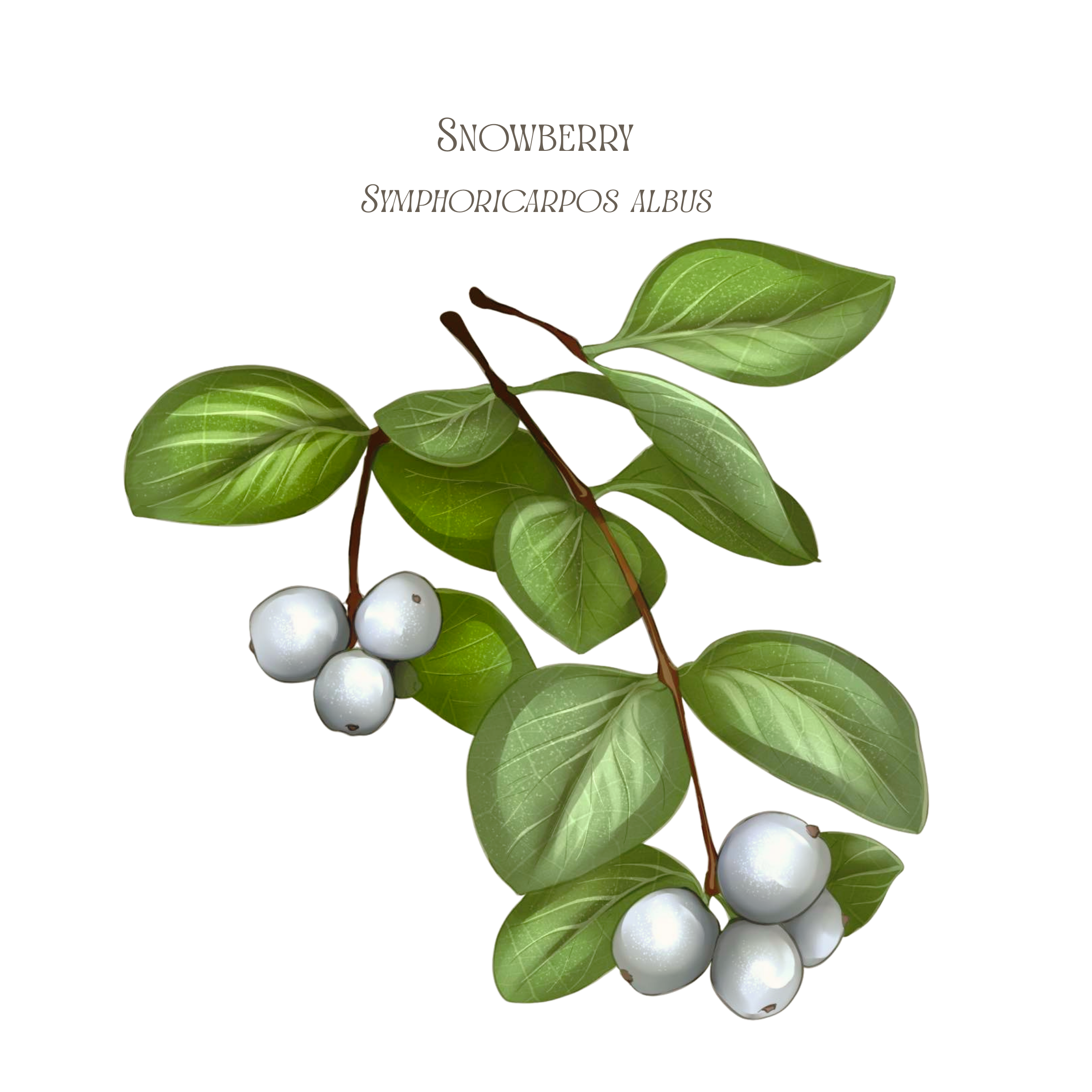
sik̓ʷədac • snowberry • Symphoricarpos albus
Click to hear the pronunciation name for snowberry in Lushootseed, one of many coast salish languages.
sik̓ʷədac, common snowberry, or Symphoricarpos albus is a hardy deciduous shrub native to forests, woodland edges, open slopes, prairies, and streamside areas across much of western North America. It typically grows about 3 to 6 feet tall and spreads through underground rhizomes, forming dense thickets over time. Small pinkish-white flowers appear during the warmer months, followed by the plant’s distinctive white berries, which often remain on the branches into winter.
Snowberry provides valuable food and shelter for wildlife. Its flowers support bees and other pollinators, while its dense branches offer cover for birds and small mammals. Although birds and some mammals may eat the berries, snowberries are not considered edible for people and should not be eaten.
In habitat restoration, snowberry is useful for stabilizing soil, controlling erosion, covering disturbed ground, and restoring riparian and woodland habitats. Its extensive rhizomes help hold soil in place, and the plant can quickly resprout following disturbance. Because it spreads vigorously, snowberry can be an aggressive grower. This makes it especially valuable where a dense native plant community is desired, although it may require hard pruning or containment in smaller spaces.
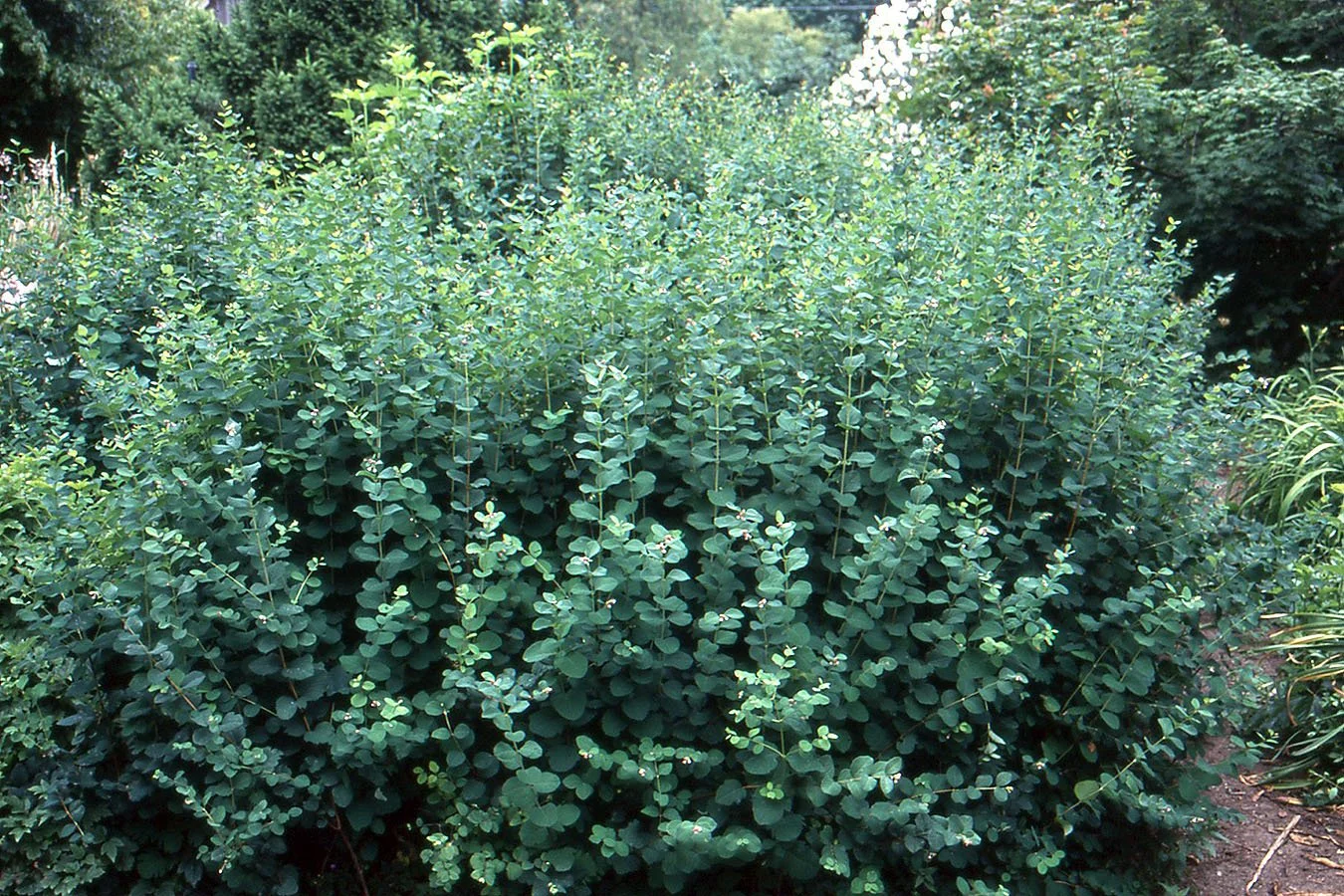
Snowberry can be grown in a more natural shape like this image, or easily be manicured to a have a more defined shape if desired. Once established, it can withstand hard pruning.
In the home garden, snowberry is an excellent choice for short hedges, property borders, wildlife gardens, and areas where a tough, low-maintenance shrub is needed. It tolerates sun or partial shade and can grow in a wide range of soils. Its spreading habit allows it to fill an area quickly, while its white berries provide attractive winter interest. Gardeners should give it enough room to form a thicket or remove unwanted shoots to keep it within a defined planting area.
Snowberry also has a long history within the traditional ecological knowledge of Indigenous peoples throughout its native range like Washington state. Different communities have used its stems to make items such as brooms, arrows, and pipe stems, while parts of the plant were incorporated into concoctions to treat skin ailments. These uses varied among nations and this knowledge reflects generations of careful observation and relationships with native plants and relationships that continue within Indigenous communities today.