Black Cottonwood: A medicine for land and body (recipe included)

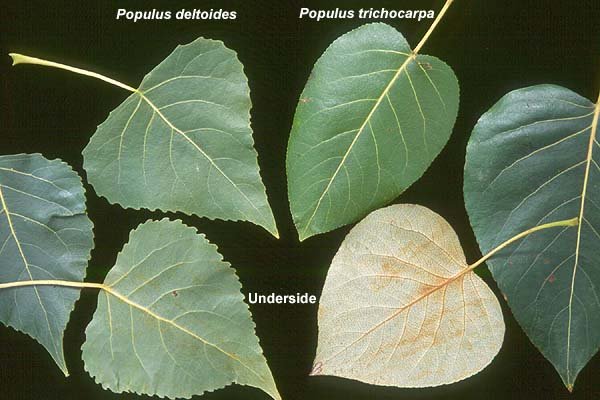
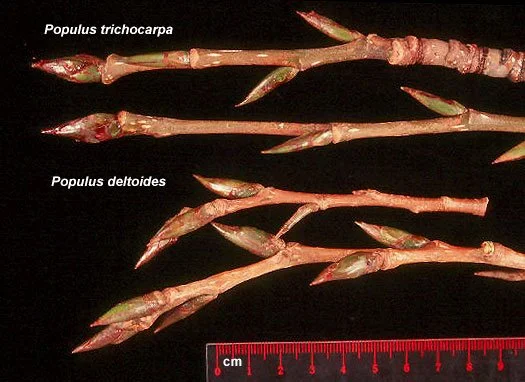
Black Cottonwood (Populus trichocarpa)
Black cottonwood is a keystone native tree across Pacific Northwest rivers, floodplains, wetlands, and valley bottoms. As one of the first trees to establish along shifting riverbanks, it plays a powerful role in ecological succession by creating shade, stabilizing soils, and helping riparian forests regenerate after disturbance. In restoration work, planting and protecting cottonwood supports the long‑term health of salmon streams, strengthens biodiversity, and rebuilds resilient watershed systems.
Why it matters in habitat restoration:
Deep root systems stabilize streambanks, reduce erosion, and help filter runoff before it reaches waterways
Large canopies provide critical shade that lowers water temperatures for salmon and other aquatic species
Fallen branches and large woody debris create complex habitat structure, slow water velocity, and improve rearing habitat
Cottonwood stands support birds, pollinators, insects, and native understory plants, increasing overall ecosystem diversity
Leaves contribute nutrient cycling to floodplain soils and aquatic food webs
Thrives in dynamic floodplain systems, helping reconnect rivers to natural processes over time
Black cottonwood is native to the region and grows quickly. It also adapts to changing river and stream conditions, because of this, it is often used in riparian planting to jump‑start forest structure and create future habitat for generations. Integrating cottonwood into habitat restoration helps rebuild resilient riparian forests that support salmon, biodiversity, and long-term watershed health.
Black Cottonwood Salve
Cottonwood buds contain a fragrant resin traditionally used in topical salves. When infused into oil, they create a soothing balm often used for soothing aches and minor scrapes.
Common traditional uses:
Applied to minor cuts, scrapes, and small burns
Comforting for sore muscles
Sometimes used in salves massaged onto temples or neck for tension and headaches
Handcrafted in small batches using locally harvested cottonwood buds. External use only. This is not a medical product.
Simple Cottonwood Salve Recipe
Ingredients:
Fresh or dried cottonwood buds
Carrier oil such as olive, sunflower, or sweet almond oil
Beeswax pellets or grated beeswax
Optional: vitamin E oil or a few drops of lavender essential oil
Step 1 - Harvest & Prepare Buds
Harvest ethically from fallen branches or pruning areas. Let buds dry slightly to reduce moisture.
Step 2 - Infuse the Oil
Fill a clean jar halfway with buds and fully cover with oil.
Infuse for 2 months up to 2 years at room temperature, shaking occasionally. Or gently heat in a double boiler for a faster infusion.
Strain well through cheesecloth or a fine mesh strainer.
Step 3 - Make the Salve
Combine infused oil with beeswax at about a 1:8 ratio.
Melt slowly using a double boiler.
Test firmness on a cool spoon and adjust wax or oil as needed.
Optional: add vitamin E or essential oils after removing from heat.
Pour into tins or jars and let cool fully before sealing.
Tips: Store in a cool, dry place; shelf life is roughly 6–12 months depending on oil and storage.